The Importance of Family Homes in Today’s Real Estate Market
In an ever-evolving real estate landscape, family homes remain a cornerstone of residential properties. The desire for stability, community, and space continues to drive families toward owning their homes, even as market dynamics shift. Particularly in 2026, understanding the significance of family homes is crucial for potential buyers, investors, and homeowners alike. The family home goes beyond mere shelter; it embodies emotional ties, personal history, and future aspirations. As the concept of home expands, so does the need to recognize the intricate interplay between family needs and real estate trends. When exploring options, https://coventryat7.co.uk/ provides comprehensive insights into navigating this multifaceted market.
Understanding Current Trends in Residential Properties
The residential property market is currently witnessing a seismic shift shaped by various factors including economic conditions, demographic changes, and evolving consumer preferences. In 2026, families are more likely to prioritize proximity to quality schools, healthcare facilities, and recreational areas. Urbanization continues to draw populations into city centers, but there’s also a growing trend towards suburban living, where families can benefit from larger homes and more outdoor space. Additionally, the rise of remote work has altered living preferences, with many families seeking homes that accommodate home offices and flexible living arrangements.
Key Features Homebuyers Look For in 2026
Today’s homebuyers, especially families, are increasingly discerning about features that enhance their quality of life. In 2026, some of the most sought-after features include:
- Open Floor Plans: Spacious, open layouts that promote family interaction and flexibility will remain popular.
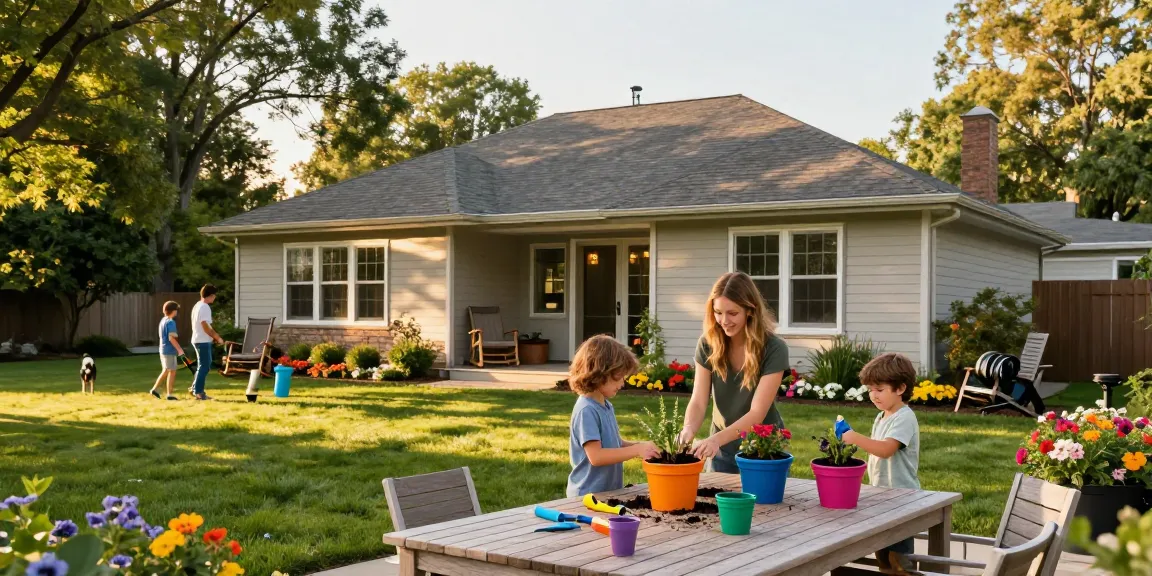
- Outdoor Spaces: Patios, gardens, and backyards are essential for families looking to spend more time outdoors.
- Energy Efficiency: Homes equipped with solar panels, energy-efficient appliances, and sustainable materials are in high demand.
- Smart Technology: Home automation systems that enhance security and convenience are increasingly appealing.
- Flexible Spaces: Extra rooms that can serve as home offices, playrooms, or guest suites cater to diverse family needs.
How Family Needs Shape Property Choices
Family needs are at the forefront of property choices, influencing both the buying process and the types of homes that sell. From the number of bedrooms and bathrooms to the availability of community amenities, families consider how well a property will serve their current and future needs. Accessibility for aging parents or younger children, safety features, and community support are paramount. As family dynamics evolve—whether through aging parents moving in, children leaving for college, or new additions to the family—homes that adapt to these changes are increasingly valued.
Exploring Essential Features of Modern Family Homes
Space Utilization: Maximizing Living Areas
Effective space utilization is key to modern family homes. With the increasing trend of smaller lots and urban living, families seek ways to maximize their living areas. Multifunctional furniture, built-in storage solutions, and clever room layouts can transform small spaces into functional family hubs. This approach not only enhances daily living but also allows families to create personalized spaces that reflect their lifestyles.
Energy Efficiency: Sustainable Living Considerations
As environmental awareness grows, more families prioritize energy efficiency in their home searches. Sustainable living practices not only reduce monthly utility costs but also support a healthier planet. Homes with Energy Star ratings, advanced insulation, and energy-efficient windows are becoming the standard. Families are thus making informed decisions that align with their values of sustainability and responsibility.
Technology Integration: Smart Home Features
In 2026, technology integration will be a defining characteristic of modern family homes. Smart home technology—ranging from security systems that can be monitored remotely to smart thermostats that optimize energy usage—provides convenience and peace of mind. Families are increasingly attracted to homes that offer integrated solutions that enhance their daily lives, making technology not just a luxury but a necessity.
Comparative Analysis of Family Homes vs. Other Property Types
Investing in Family Homes vs. Rental Properties
When considering investment opportunities, many individuals grapple with the decision to invest in family homes versus rental properties. Family homes often appreciate in value, building equity over time, while rental properties might offer immediate cash flow. However, with rental markets fluctuating in demand, family homes may provide greater long-term stability. Investors must analyze their financial goals, market trends, and the potential for property appreciation to make informed choices.
Pros and Cons of Multi-Generational Living Spaces
Multi-generational living spaces have become increasingly popular, particularly as families seek to maintain close bonds and share resources. The benefits include financial savings, shared childcare responsibilities, and emotional support. However, challenges such as privacy issues and differing lifestyle preferences can arise. Understanding both sides of the equation is crucial for families contemplating this living arrangement.
Assessing Market Value: Family Homes vs. Condos
When assessing market value, it’s important to differentiate between family homes and condos. Family homes typically offer more space and yard area, appealing to families with children or pets. In contrast, condos often attract young professionals seeking a low-maintenance lifestyle. Market demand, location, and amenities are critical factors influencing value, making it essential for buyers to align their needs with the type of property they choose.
Challenges and Solutions in the Family Home Market
Common Misconceptions About Family Living Spaces
Many misconceptions exist about family living spaces, often focusing on the belief that larger is always better. However, families need to recognize that functionality, location, and community engagement are equally important. Smaller homes that leverage smart designs can effectively meet family needs without overwhelming them with maintenance tasks. Education around modern family living can shift these outdated perceptions.
Addressing Affordability Issues for Families
Affordability remains a significant issue for families entering the housing market. Rising prices and stagnant wages challenge many aspiring homeowners. However, potential solutions include government programs that assist first-time buyers, affordable housing developments, and innovative financing options. By addressing affordability head-on, communities can work towards ensuring that family homes remain accessible to all.
Innovative Solutions for Small Family Homes
As urbanization continues, smaller family homes are becoming more prevalent. Innovative design solutions, such as vertical living spaces and modular homes, offer opportunities for creative living arrangements. Utilizing outdoor space—like balconies or rooftop gardens—can also maximize limited square footage. By embracing these trends, families can enjoy the benefits of homeownership without compromising on comfort.
Future Trends in Family Living: Preparing for 2026 and Beyond
Predicted Changes in Family Dynamics and Housing Needs
As we look toward 2026, anticipated changes in family dynamics will significantly shape housing needs. With increasing numbers of single-parent households and blended families, homes that accommodate diverse living arrangements will be in demand. Additionally, the trend toward remote work will influence preferences for home offices and dedicated workspaces within family homes.
Emerging Technologies Impacting Family Homes
Technological advancements are set to revolutionize the family home market. Developments such as augmented reality for home design, AI-driven energy management systems, and smart appliances will make homes more efficient and user-friendly. Families will increasingly expect these technologies as standard, enhancing their daily routines and living experiences.
Building Communities: The Role of Family Homes in Urban Planning
Family homes play a crucial role in urban planning as cities strive to create livable, sustainable environments. Thoughtful planning that incorporates green spaces, community resources, and accessible amenities fosters a sense of belonging and well-being among residents. As cities evolve, the integration of family homes within these plans will ensure vibrant communities that support family growth and development.
What are the essential features of a family home?
Essential features of a family home often include adequate space, safety, access to amenities, and potential for future modifications. Families commonly seek homes with multiple bedrooms, outdoor space, and energy-efficient systems that align with their values and lifestyle needs.
How does location affect family home value?
Location is paramount in determining family home value. Proximity to quality schools, parks, and retail opportunities can drive demand and enhance property values. Furthermore, neighborhoods with a low crime rate and a strong sense of community contribute positively to perceived value.
What are the current trends in family housing?
Current trends in family housing emphasize sustainability, technology integration, and multi-functional spaces. Energy-efficient homes that utilize smart technology appeal to modern buyers while flexible interior designs accommodate changing family dynamics.
How can families efficiently utilize small spaces?
Families can use various strategies to efficiently utilize small spaces, including multi-purpose furniture, vertical storage solutions, and open-concept layouts. Creative design choices can maximize functionality while enhancing the overall aesthetic of the home.
What technologies are transforming family living?
Emerging technologies transforming family living include smart home systems that offer security, convenience, and energy management. Additionally, innovative construction methods, such as 3D printing, promise cost-effective housing solutions that cater to families’ ever-changing needs.