Childhood is a period of constant growth, movement, and development. From taking the first steps to participating in sports and daily activities, children depend on healthy bones, joints, muscles, and immune systems to explore the world around them. When concerns affect movement, physical development, or immunity, timely medical guidance can make a significant difference.
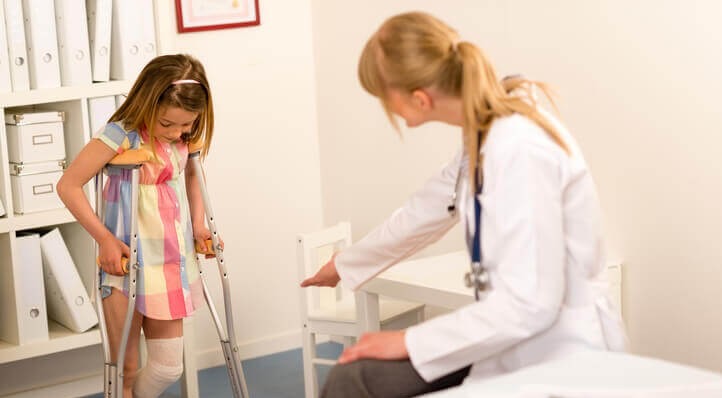
Parents often look for reliable solutions when they notice difficulties such as persistent pain, unusual movement patterns, frequent discomfort, or signs of immune-related concerns. Consulting pediatric orthopedic near meservices can help families access specialized evaluation and support for children’s musculoskeletal needs.
Pediatric healthcare focuses on understanding how conditions affect children differently from adults. Since children’s bodies are still developing, diagnosis and treatment require age-specific knowledge, careful monitoring, and personalized approaches.
Pediatric Orthopedic Expertise
Children’s bones and joints continue changing throughout their growing years. Injuries, developmental differences, and structural concerns may influence posture, movement, and overall physical confidence. Pediatric orthopedic specialists are trained to evaluate these conditions while considering each child’s stage of growth.
Unlike adult orthopedic care, pediatric orthopedic treatment focuses on developing bones, growth patterns, and long-term mobility. Specialists assess how a condition may affect future development rather than only addressing current symptoms.
Parents may seek expert advice for concerns such as walking difficulties, sports injuries, limb differences, spinal conditions, or joint-related problems. Early evaluation allows healthcare providers to understand the issue and recommend suitable management options.
Recognizing Early Signs of Orthopedic Concerns
Children often remain active even when experiencing discomfort, making it important for parents to notice subtle changes. A child who avoids certain activities, experiences repeated pain, or shows changes in walking patterns may need professional assessment.
Some orthopedic concerns become easier to manage when identified early. Regular observation of posture, movement, and physical development helps healthcare providers recognize potential issues before they interfere with daily activities.
Experienced pediatric orthopedic doctors consider various factors, including growth patterns, family history, activity levels, and symptoms. This detailed evaluation helps create care plans that support healthy development and improve quality of life.
Supporting Healthy Bone And Joint Development
Strong bones and flexible joints are essential for children’s physical growth. Proper nutrition, regular activity, and preventive care contribute to maintaining musculoskeletal health throughout childhood.
Healthcare providers often guide families on maintaining healthy routines that support bone strength and mobility. Encouraging safe physical activities, balanced nutrition, and proper posture can help children develop strong foundations for the future.
When medical concerns arise, treatment may involve monitoring, therapy, lifestyle adjustments, or other specialized approaches. The goal is always to support normal growth while helping children remain active and comfortable.
Importance Of Immune System Awareness
The immune system protects children from infections and helps maintain overall health. However, some children may experience immune-related challenges that require detailed evaluation and specialized care.
Repeated illnesses, prolonged inflammation, joint discomfort, or unusual immune responses may indicate the need for further investigation. Understanding these signs helps families seek appropriate medical support at the right time.
Specialized fields such as immunology and rheumatologyfocus on conditions related to immune system function and inflammatory disorders. Experts evaluate symptoms carefully to understand how immune responses may affect a child’s health.
Connection Between Inflammation And Child Development
Inflammation is a natural response that helps the body fight problems, but ongoing inflammation may require medical attention. Certain inflammatory conditions can affect joints, muscles, energy levels, and daily activities if not properly managed.
Pediatric specialists examine symptoms in detail and consider how inflammation influences a child’s overall development. A complete assessment may include medical history, physical examination, and appropriate diagnostic methods.
With timely guidance, many immune-related conditions can be managed effectively. Proper care helps children maintain better comfort, participate in activities, and continue their development with confidence.
Creating A Personalized Healthcare Plan
Every child has unique health requirements, which means treatment approaches should be customized. Specialists consider age, symptoms, growth stage, and individual health factors before recommending care strategies.
Personalized healthcare helps avoid unnecessary interventions while ensuring children receive support that matches their specific needs. It also allows doctors to monitor progress and adjust recommendations as children grow.
A collaborative approach involving doctors, parents, and children creates better communication and stronger healthcare outcomes. When families understand the care process, they can actively support their child’s recovery and wellness.
Benefits of Early Medical Evaluation
Many childhood health concerns become easier to manage when addressed at an early stage. Delaying evaluation may allow certain conditions to progress and create additional challenges over time.
Early consultations provide valuable information about a child’s condition and possible care options. They also give parents reassurance by helping them understand whether symptoms are part of normal growth or require attention.
Regular health monitoring supports preventive care by identifying changes early. This approach encourages better decision-making and allows healthcare providers to focus on long-term health outcomes with support from specialized immunology and rheumatology care when required.
Encouraging Active And Healthy Lifestyles
Physical activity plays an important role in children’s growth and emotional well-being. Movement helps strengthen muscles, improve coordination, and build confidence. However, activities should always match a child’s abilities and health requirements.
Parents can encourage healthy habits by creating safe environments for play, supporting balanced routines, and paying attention to signs of discomfort. These practices help children enjoy active lifestyles while reducing unnecessary risks.
Healthcare guidance can also help families understand how to balance activity, rest, nutrition, and medical care. A supportive approach allows children to participate in daily experiences while protecting their health.
Conclusion
Children’s orthopedic and immune health require careful attention, early evaluation, and specialized support. Understanding symptoms, seeking timely guidance, and following personalized care plans can help children maintain better mobility and overall wellness. Early medical intervention allows specialists to address concerns effectively while supporting healthy growth and development. Parents can make informed healthcare decisions by consulting experienced pediatric orthopedic doctors who understand the unique needs of growing children. Consistent monitoring and expert guidance help children achieve better long-term health outcomes.
Families looking for comprehensive pediatric services can consider trusted providers like Ankura Hospitals, where expert teams focus on supporting children’s health journeys with dedicated care. Proper medical guidance today can contribute to stronger and healthier futures for children.