
Reliable energy production is essential for modern industries, commercial facilities, and critical infrastructure. As electricity demand continues to grow, organizations are searching for efficient fuel options that can provide stable power while supporting cost control and sustainability goals.
Gas-based power generation has become an important solution because different types of gas fuels can be used to produce electricity efficiently. From natural gas to renewable alternatives, each fuel type offers unique advantages depending on availability, application, and operational requirements. Modern gas cogeneration units can utilize many of these fuel sources to generate both electricity and useful heat, improving overall energy efficiency and operational performance.
The Importance of Gas Fuels in Modern Power Generation
Power generation systems require a dependable fuel source to operate effectively. Gas fuels are widely used because they provide consistent performance, efficient combustion, and flexible applications across different sectors.
Compared with some traditional fuel sources, gas-powered systems can offer improved efficiency and cleaner operation. This makes them suitable for industries, commercial buildings, and facilities that require continuous energy support.
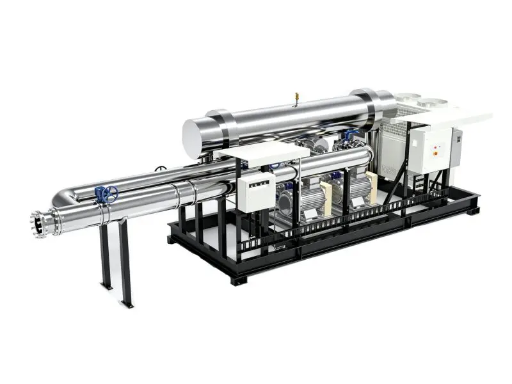
Modern power solutions often combine fuel efficiency with advanced technology to deliver reliable electricity. Systems such as gas cogeneration units are designed to maximize energy use by producing electricity and recovering useful heat from the same fuel source.
Common Types of Gas Fuels Used for Power Generation
Natural Gas
Natural gas is one of the most commonly used fuels for electricity generation. It is widely available in many regions and provides efficient combustion with reliable energy output.
Natural gas-powered systems are used in industrial plants, commercial buildings, and utility-scale power facilities. Their stable performance and lower emissions profile make them a preferred choice for many energy projects.
Biogas
Biogas is a renewable fuel produced from organic materials such as agricultural waste, food waste, and wastewater treatment processes. It provides an opportunity to convert waste into a valuable energy source.
Many farms and industries use biogas systems to generate electricity while reducing waste management challenges. This supports sustainable energy practices and improves resource efficiency.
Landfill Gas
Landfill gas is produced naturally during the decomposition of organic waste in landfills. Instead of allowing this gas to escape into the atmosphere, it can be collected and used for power generation.
Using landfill gas helps reduce environmental impact while creating an additional source of energy for nearby facilities.
Hydrogen-Based Gas Fuels
Hydrogen is becoming an emerging fuel option for future energy systems. It has the potential to support cleaner power generation when produced through suitable methods.
As technology continues to develop, hydrogen-based solutions may become an important part of advanced energy strategies.
Benefits of Using Gas Fuels for Electricity Production
High Energy Efficiency
Gas-powered systems are designed to convert fuel into electricity efficiently. Advanced engines and energy recovery technologies help reduce wasted energy and improve overall performance.
Facilities that require both electricity and heating can benefit from combined systems that provide multiple energy outputs from a single fuel source.
Reliable Power Availability
Many industries cannot afford unexpected power interruptions. Gas fuel systems provide a dependable energy solution that helps maintain continuous operations.
This reliability is especially important in sectors such as manufacturing, healthcare, and data management, where consistent electricity is essential.
Flexible Applications
Gas-based power generation can be adapted to different environments and energy needs. These systems can support small facilities as well as large industrial operations.
From backup power solutions to primary energy production, gas-powered systems provide flexibility for various applications.
Applications of Gas Fuel Power Systems
Gas-based generators are used across many sectors, including:
- Manufacturing facilities
- Agricultural operations
- Commercial buildings
- Food processing plants
- Data centers
- Healthcare facilities
- Industrial complexes
- Utility projects
Hospitals require highly reliable energy systems because medical equipment and essential services must continue operating without interruption. This is why many healthcare facilities consider solutions such as gas generators for hospital applications to support emergency and continuous power requirements.
Choosing the Right Gas Fuel Solution
Selecting the best fuel type depends on several factors, including availability, cost, efficiency, environmental goals, and operational requirements.
Businesses should evaluate their energy demand, fuel supply options, maintenance needs, and long-term objectives before investing in a power generation system.
A properly selected gas fuel solution can help organizations improve energy reliability while reducing operational challenges.
The Future of Gas-Based Power Generation
As energy requirements continue to evolve, gas fuels will remain an important part of power generation strategies. Improvements in engine technology, fuel efficiency, and renewable gas solutions are creating new opportunities for cleaner and more reliable energy production.
Industries that adopt advanced gas-powered systems can improve efficiency, strengthen energy security, and prepare for future energy demands.
Conclusion
Different types of gas fuels provide valuable options for modern power generation. Whether using natural gas, biogas, landfill gas, or emerging alternatives, each fuel type offers unique benefits for energy production.
With efficient technologies and solutions such as gas generators for hospital, organizations can achieve reliable power while improving energy management. As the demand for sustainable and dependable electricity continues to grow, gas-based power generation will remain an important part of the global energy landscape.