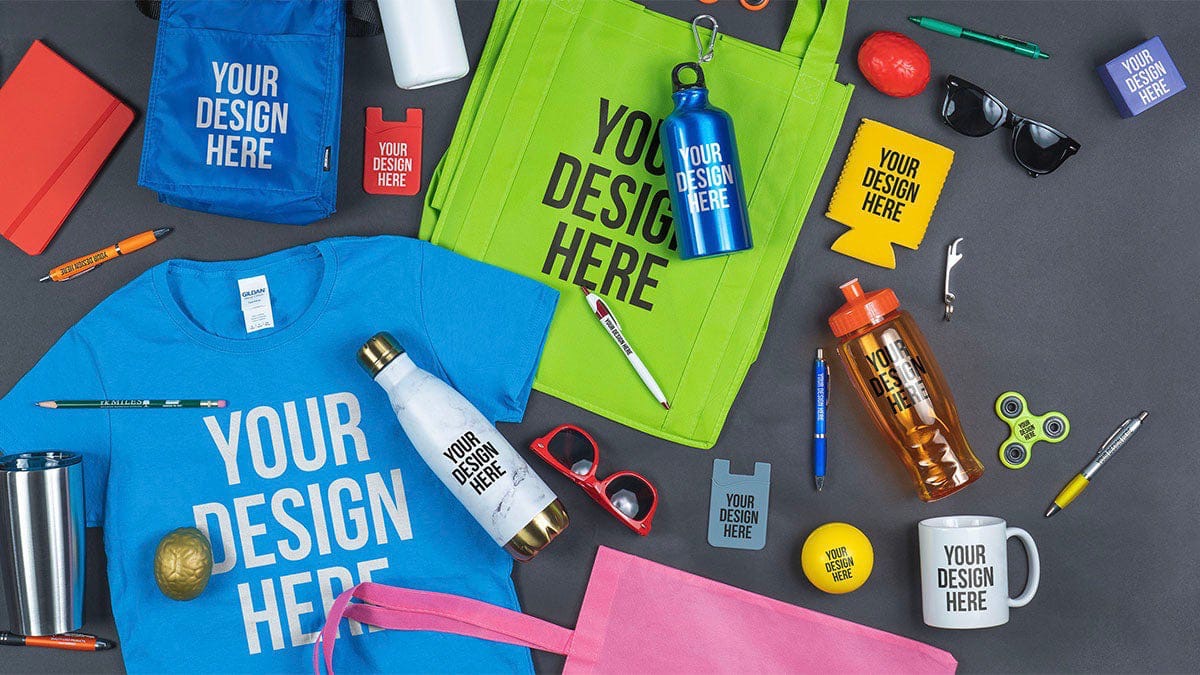
Some promotional items are forgotten before the day ends, while others remain on desks, kitchen counters, or in travel bags for years. The difference has little to do with price and everything to do with usefulness. Well-planned promotional marketing products become part of everyday life, giving brands repeated visibility in a way that feels natural rather than intrusive. When businesses prioritize value over volume, promotional merchandise becomes a powerful tool for building recognition and trust.
Start with Purpose, Not the Product
Many promotional campaigns fail because businesses begin by selecting products before defining their objectives. A successful campaign starts by identifying what the merchandise should achieve.
The purpose may be to:
● Introduce a new brand
● Strengthen customer loyalty
● Increase visibility at exhibitions
● Reward employees
● Thank long-term clients
● Support product launches
Once the objective is clear, choosing the right merchandise becomes much easier. Every product should support a specific marketing goal instead of simply filling a giveaway bag.
Everyday Use Creates Repeated Brand Exposure
The best promotional merchandise becomes part of someone's routine. Think about the items people keep on their desks, carry in their bags, or use at home. Every interaction creates another opportunity for the brand to stay visible without demanding attention.
Products that generally deliver long-term value include:
● Office accessories
● Drinkware
● Travel essentials
● Tech accessories
● Kitchen tools
● Lifestyle products
Frequency matters more than novelty. A practical item used several times each week often produces greater marketing value than an expensive product that stays in a drawer.
Quality Influences Brand Perception
Every promotional item represents the company that distributes it. If the product breaks quickly or feels poorly made, recipients may associate those qualities with the business itself. On the other hand, durable, thoughtfully designed merchandise reinforces professionalism and attention to detail.
When evaluating products, businesses should consider:
● Material quality
● Durability
● Ease of use
● Printing or engraving quality
● Overall presentation
Small details influence how customers perceive the brand long after the initial interaction.
Understanding the Audience Changes Everything
One product cannot appeal to every audience. A promotional campaign becomes far more effective when merchandise reflects the interests, lifestyle, and expectations of the intended recipients.
Questions worth asking include:
● Who will receive the product?
● Where will they use it?
● How often will they interact with it?
● Will they find it genuinely useful?
● Does it reflect the company's image?
Businesses that answer these questions before placing an order usually achieve stronger engagement and better return on investment.
Practical Value Always Wins
People naturally appreciate products that solve small everyday problems. This is one reason why promotional marketing products continue to outperform disposable giveaways. A useful item keeps generating impressions without requiring additional advertising costs.
For example, an office professional may regularly use a branded notebook during meetings, while a homeowner may reach for a quality kitchen accessory several times a week. These repeated interactions reinforce brand familiarity in a subtle yet effective way.
The value of promotional merchandise grows every time the recipient chooses to use it.
Branding Should Feel Natural
A promotional item should represent the brand without overwhelming its design. Oversized logos or excessive branding can reduce the likelihood that people will use the product in public. Clean, balanced branding often produces better results because recipients feel comfortable incorporating the item into their daily lives.
Effective branding typically includes:
● A well-positioned logo
● Consistent brand colors
● Clear typography
● Minimal clutter
● Attractive product design
The goal is to make the product desirable first, with the branding naturally supporting that experience.
Success Depends on the Entire Experience
Effective promotional merchandise involves more than selecting a product. Timing, presentation, and distribution all influence how recipients respond. For instance, a thoughtfully packaged gift presented after a successful project can create a far stronger impression than the same item handed out randomly at an event.
Businesses should also evaluate campaign performance by measuring:
● Customer engagement
● Brand recognition
● Repeat business
● Event interactions
● Lead generation
● Customer feedback
Looking beyond distribution numbers provides a clearer picture of whether the campaign achieved its objectives.
Conclusion
Promotional merchandise delivers its greatest value when it combines purpose, quality, and practicality. Businesses that invest time in understanding their audience, selecting useful products, and presenting them thoughtfully create stronger connections than those focused solely on visibility. Rather than treating promotional items as simple giveaways, organizations should view them as long-term brand ambassadors that continue working well after an event has ended. Even classic popular promotional items such as branded wine openers remain highly effective when they are relevant to the audience and aligned with a clear marketing strategy.
BRAVA Marketing helps organizations develop promotional merchandise strategies that support meaningful brand engagement rather than short-term exposure. By focusing on quality, functionality, and audience relevance, they assist businesses in selecting merchandise that reflects their brand identity while creating lasting value for customers and partners.