Understanding Smart Locks: The Basics
As technology continues to evolve, the way we secure our homes has transformed dramatically. Smart locks are becoming increasingly popular, offering homeowners an innovative solution to traditional locking systems. The convenience of keyless entry, remote access, and enhanced security features appeals to many, making them a trendy choice in home security. When exploring options, خرید قفل هوشمند can provide comprehensive insights into the best solutions tailored to your needs.
What is a Smart Lock?
A smart lock is a modern locking device that uses various technologies to secure doors without the need for traditional keys. Instead of a physical key, smart locks often allow entry through mobile apps, keycodes, biometric data (such as fingerprints), or even facial recognition. This technology offers a seamless integration with smart home systems, enabling users to manage their home security conveniently and efficiently.
How Do Smart Locks Work?
Smart locks operate through a combination of hardware and software. Most smart locks connect to your home Wi-Fi or Bluetooth network. This allows you to control the lock remotely through a smartphone app. When you want to unlock your door, you can either use your smartphone, enter a code on a keypad, or utilize a smart key. The lock receives these commands via encrypted signals, ensuring security and privacy.
Benefits of خرید قفل هوشمند
Investing in a smart lock comes with a plethora of benefits:
- Convenience: No more fumbling for keys; simply use your phone or a code.
- Enhanced Security: With features such as alerts for unauthorized access, smart locks can significantly boost your home's security.
- Remote Access: Lock or unlock your doors from anywhere, providing access for guests or service providers without needing to be home.
- Integration with Smart Home Systems: Many smart locks easily integrate with other smart devices, allowing for a comprehensive smart home experience.
Choosing the Right Smart Lock
Key Features to Consider
When selecting a smart lock, consider the following features:
- Security Standards: Look for locks that meet high-security certifications, such as ANSI or UL ratings.
- Access Methods: Choose a lock that offers multiple access options depending on your lifestyle.
- Battery Life: Opt for models with long battery life and backup options in case of power failure.
- Ease of Installation: Some locks are easier to install than others; consider whether you plan to DIY or hire a professional.
Top Smart Lock Brands in 2026
As of 2026, several brands stand out in the smart lock market:
- August: Known for its retrofitting ability to existing deadbolts.
- Yale: Offers various models suitable for different home types and security needs.
- Schlage: Well-regarded for durability and advanced security features.
- Kwikset: Offers budget-friendly options with robust functionality.
Common Misconceptions about Smart Locks
Despite their growing popularity, many misconceptions persist about smart locks:
- They're Unsecure: Many smart locks have advanced encryption and security features, making them as secure, if not more, than traditional locks.
- Only for Tech-Savvy Users: User-friendly designs and apps cater to all demographics, simplifying operation.
- High Maintenance: Regular software updates are necessary, but most locks require minimal physical maintenance.
Installation and Setup
DIY vs. Professional Installation
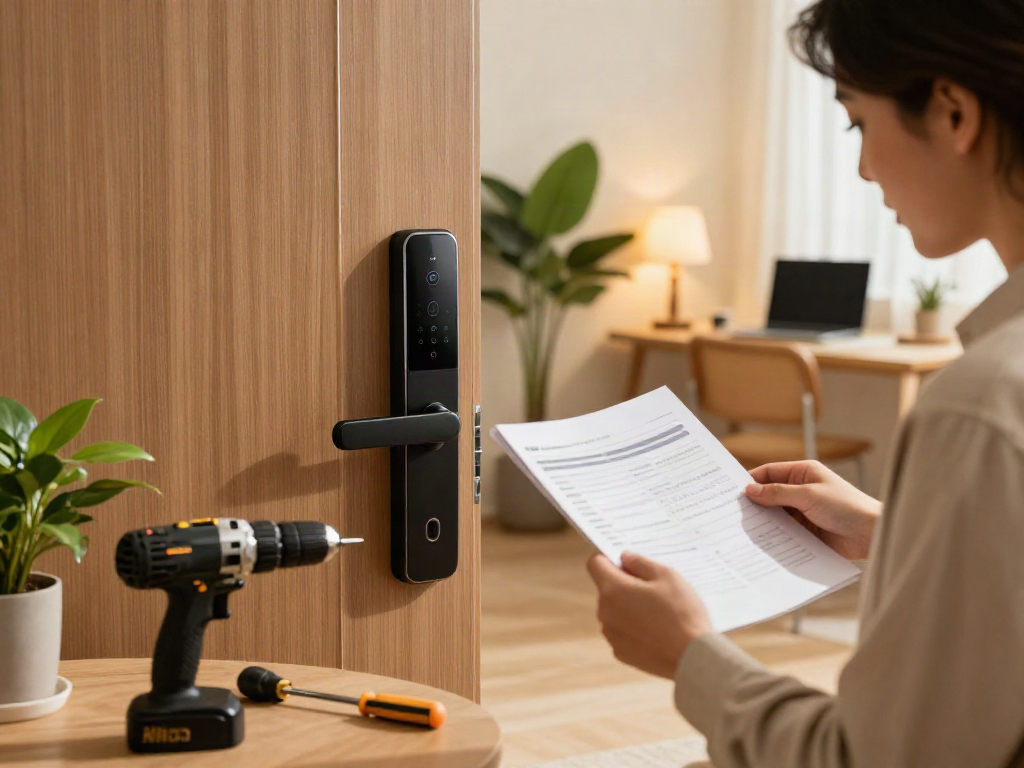
Deciding whether to install a smart lock yourself or hire a professional depends on your comfort level with technology and home improvement tasks. Many models are designed for easy DIY installation, complete with guides and all necessary tools. However, if you're unsure or uncomfortable, professional installation can ensure proper setup and functionality.
Step-by-Step Installation Guide
If you choose to install a smart lock yourself, follow these general steps:
- Remove the existing lock from your door.
- Follow the instructions to prepare the smart lock mechanism.
- Attach the lock to the door, ensuring alignment with the strike plate.
- Connect the smart lock to your Wi-Fi or Bluetooth network as per the manufacturer's instructions.
- Download the associated app and follow setup prompts to activate your lock.
Connecting to Your Smart Home System
Smart locks can enhance your home automation experience. Most are compatible with popular smart home platforms such as Google Assistant, Amazon Alexa, and Apple HomeKit. Ensure your smart lock supports integration by checking specifications before purchasing.
Maintaining Your Smart Lock
Regular Maintenance Tips
To prolong the life of your smart lock and ensure its functionality, keep these maintenance tips in mind:
- Regularly check the battery level and replace batteries as needed.
- Clean the lock housing and keypad to prevent dust buildup.
- Perform software updates to benefit from security patches and new features.
Troubleshooting Common Issues
If you encounter issues with your smart lock, consider these troubleshooting steps:
- Ensure the lock is within range of your connectivity device.
- Reset the lock according to the manufacturer’s instructions.
- Check for any blockages around the door that might affect the locking mechanism.
Ensuring Security with Software Updates
Keep your smart lock's software updated to protect against vulnerabilities. Manufacturers frequently release updates that enhance security protocols, fix bugs, and sometimes add new features. Enable automatic updates through the app if available.
The Future of Home Security
Emerging Trends in Smart Lock Technology
As we look towards the future, several trends are shaping the smart lock industry:
- Biometric Access: More locks are beginning to incorporate fingerprint and facial recognition technology.
- AI Integration: Artificial intelligence will enhance features such as user behavior learning and predictive locking mechanisms.
- Enhanced Connectivity: Future locks may leverage 5G networks for faster and more reliable communication.
Predictions for Home Security Innovations by 2026
By 2026, we can expect to see significant advancements in smart lock technologies, including:
- Integration with home health monitoring devices, providing alerts for unusual activity.
- More affordable smart lock options as technology becomes mainstream.
- Advanced encryption methods that enhance data security and privacy.
How Smart Locks Enhance Overall Home Security
Smart locks contribute to overall home security by providing features that traditional locks cannot. With alerts for unauthorized access, remote monitoring capabilities, and integration with security cameras, smart locks create a multi-layered defense against potential intruders.
What are the advantages of smart locks?
The advantages of smart locks include convenience, enhanced security, remote access capabilities, and integration with smart home systems, making them an attractive option for modern homeowners.
Can I install a smart lock myself?
Yes, many smart locks are designed for DIY installation and often come with detailed instructions, making the process manageable for most homeowners.
What happens if the battery in my smart lock dies?
Most smart locks have backup options, such as a physical key or a way to recharge the lock, ensuring you can still access your home even if the battery dies.
Are smart locks compatible with all doors?
Smart locks are available in various sizes and configurations, but it's vital to ensure compatibility with your specific door type and size before purchasing.
How do I troubleshoot smart lock issues?
Troubleshooting could involve checking connectivity, resetting the device, and ensuring there's no obstruction affecting the lock’s mechanical functions.