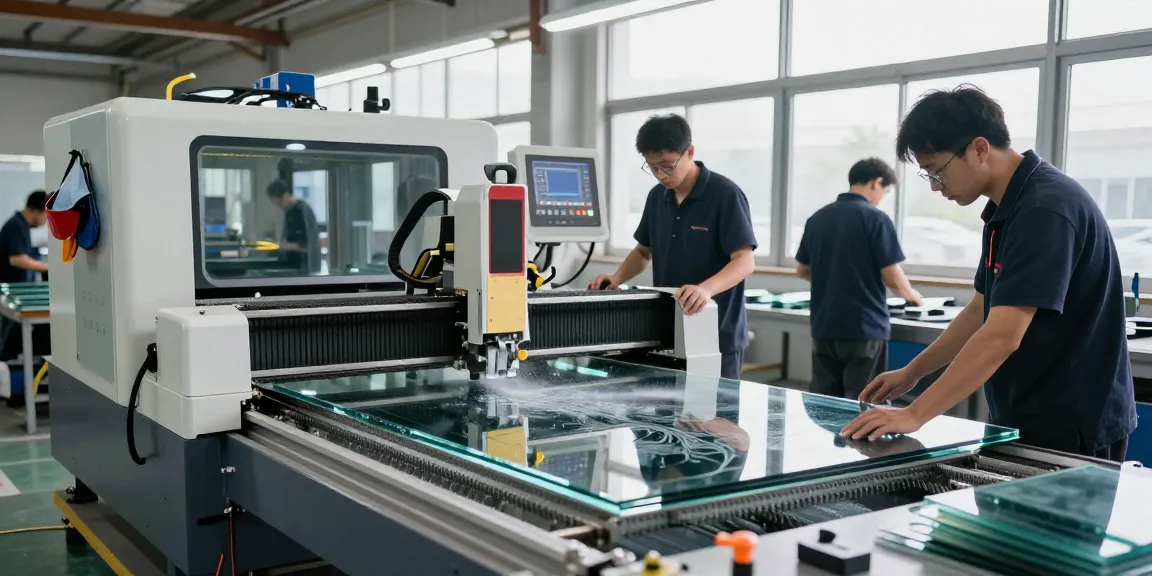
Introduction to CNC Glass Cutting Machines
CNC (Computer Numerical Control) glass cutting machines represent a revolutionary advancement in the glass processing industry. These machines are designed to automate the glass cutting process, enhancing both precision and efficiency. In an era where customization and speed are paramount, CNC technology offers a compelling solution for manufacturers looking to improve their production capabilities. By leveraging advanced technologies, businesses can achieve intricate designs, faster turnaround times, and greater efficiency, making CNC machines an essential asset in modern glass manufacturing. When exploring options, cnc glass cutting machine solutions provide comprehensive insights into the latest advancements and technologies available for optimal glass processing.
What is a CNC Glass Cutting Machine?
A CNC glass cutting machine is an automated device that utilizes computer-controlled systems to guide cutting tools along precise paths in glass sheets. Unlike traditional glass cutting methods, which require manual input and can lead to inconsistencies, CNC machines rely on pre-programmed designs and specifications. This capability allows for a higher level of accuracy and repeatability, essential for large-scale production and intricate designs.
Benefits of Using CNC Technology in Glass Processing
- Increased Precision: CNC machines ensure that every cut is made with exact measurements, reducing human error and improving overall product quality.
- Efficiency and Speed: The automation of glass cutting leads to faster production rates and reduced labor costs, allowing businesses to meet tight deadlines more effectively.
- Versatility: With a range of tools and attachments, CNC glass cutting machines can handle various glass types and thicknesses, from tempered to laminated glass, thus broadening production capabilities.
- Customization: The flexibility of programmed designs means that manufacturers can easily adjust production to accommodate unique and customized orders.
Overview of the Glass Cutting Process
The glass cutting process begins with the preparation of the glass sheet, which is measured and positioned on the cutting table. Using a CNC system, specific parameters such as cutting speed, pressure, and angle are set. The machine then executes the cutting patterns as programmed, ensuring that all cuts are smooth and clean. Following the cutting process, additional treatments, such as edging or polishing, may be performed to enhance the final product’s quality.
Key Features of Advanced CNC Glass Cutting Machines
Precision and Accuracy in Glass Cutting
One of the defining characteristics of advanced CNC glass cutting machines is their ability to produce cuts with remarkable precision. These machines can operate with tolerances as low as ±0.1 mm, making them ideal for applications where exact specifications are crucial, such as architectural glass or custom furniture production. By using high-quality cutting heads and sophisticated software, operators can ensure that even the most intricate designs are executed flawlessly.
Automation and Efficiency in Production Lines
The incorporation of automation into glass cutting operations is a game changer. Modern CNC machines are equipped with loading and unloading systems, which streamline the workflow and minimize manual handling. This automation not only speeds up production but also reduces the likelihood of workplace accidents, contributing to a safer production environment.
Material Compatibility and Versatility
Advanced CNC glass cutting machines are designed to work with various glass types, including float glass, tempered glass, and laminated glass. This versatility ensures that manufacturers can adapt their processes to meet diverse customer needs, whether producing large-scale commercial projects or specialized custom designs. The ability to cut different glass types without significant adjustments makes CNC machines an invaluable part of any glass processing operation.
Choosing the Right CNC Glass Cutting Machine for Your Needs
Assessing Production Volume Requirements
When selecting a CNC glass cutting machine, it’s vital to consider the production volume your business requires. High-demand production lines may benefit from larger, more advanced machines capable of handling greater quantities efficiently, while smaller operations may find satisfactory results with more compact and cost-effective models.
Evaluating Features Based on User Needs
Different manufacturers may have varying requirements depending on the types of glass they process and the complexity of their designs. Key features to evaluate include cutting speed, maximum glass thickness capacity, and software capabilities. Machines that offer user-friendly interfaces and customizable settings will provide additional flexibility and ease of operation.
Cost Considerations and Budgeting
Investing in a CNC glass cutting machine represents a significant financial commitment. It’s essential to conduct a detailed cost-analysis, considering not only the initial purchase price but also long-term operational costs, maintenance, and potential downtime. Engaging with suppliers to understand the total cost of ownership will help in making an informed decision.
Common Challenges in CNC Glass Cutting Operations
Understanding Machine Limitations and Maintenance Needs
While CNC glass cutting machines offer numerous benefits, they are not without limitations. Understanding machine specifications and maintenance requirements is crucial to ensuring optimal performance. Regular maintenance, including calibration and parts replacement, can prevent costly breakdowns and extend the machine’s lifespan.
Training Staff for Optimal Machine Utilization
Proper training for operators is essential to leverage the full potential of CNC glass cutting machines. Investing in comprehensive training programs ensures that staff members are knowledgeable about both operating procedures and safety protocols, which helps minimize errors and maximizes production efficiency.
Addressing Safety Concerns in Glass Processing
Glass processing poses inherent safety risks, including cuts and potential shattering. Implementing strict safety procedures and ensuring that all operators adhere to best practices is vital. This can include providing personal protective equipment (PPE) and regular safety audits to maintain a secure working environment.
The Future of CNC Glass Cutting Technology
Emerging Trends in Automation for 2026 and Beyond
The glass processing industry is set to witness further advancements in automation technologies. Trends such as the integration of artificial intelligence (AI) and machine learning will enable machines to adapt to varying production demands dynamically. This evolution will enhance customization capabilities and operational efficiencies, allowing manufacturers to keep pace with market demands.
Technological Innovations on the Horizon
Future innovations in CNC glass cutting technology may include enhanced software solutions that allow for real-time monitoring and predictive maintenance. Additionally, advancements in cutting materials and techniques will likely increase the efficiency of glass cutting, further pushing the boundaries of what is possible in the glass processing sector.
Predictions for Market Growth and Development
The CNC glass cutting market is anticipated to grow significantly over the coming years as more manufacturers adopt this technology. As globalization increases and the demand for customized glass solutions rises, the need for advanced CNC machines will become even more pronounced. Companies that invest in these technologies can position themselves to capitalize on the expanding market opportunities.
What should I consider when purchasing a CNC glass cutting machine?
When buying a CNC glass cutting machine, consider the machine’s specifications, compatibility with different glass types, and the level of automation. Additionally, evaluate the after-sales support and warranty offered by the manufacturer to ensure you are covered in case of technical issues.
How does CNC glass cutting enhance productivity?
CNC glass cutting enhances productivity by automating the cutting process, which minimizes human error, reduces labor costs, and increases the speed of production. This efficiency allows manufacturers to complete orders more quickly while maintaining high-quality standards.
What materials are suitable for CNC glass cutting?
Materials suitable for CNC glass cutting include float glass, tempered glass, laminated glass, and more specialized types such as low-E glass. The versatility of CNC machines allows them to handle various thicknesses and types efficiently.
What maintenance is required for CNC glass cutting machines?
Regular maintenance for CNC glass cutting machines includes routine inspections, calibration, cleaning, and software updates. Ensuring that all components are functioning optimally can significantly reduce downtime and extend the machine’s longevity.
How does automation influence the glass processing industry?
Automation in the glass processing industry leads to increased efficiency, reduced labor costs, and improved safety. Automated systems can operate continuously without fatigue, providing consistent results and freeing up human resources for more complex tasks.