Understanding Permit Engineering in Missouri
Permit engineering is a critical component of the construction and development process in Missouri. It encompasses the set of engineering services that ensure compliance with local, state, and federal regulations when seeking permits for various projects. For individuals and businesses venturing into construction, understanding the nuances of permit engineering missouri is essential for ensuring project delays are minimized and approvals are secured efficiently. By navigating these complexities effectively, clients can gain clarity and avoid pitfalls that might arise during the permitting process.
What is Permit Engineering?
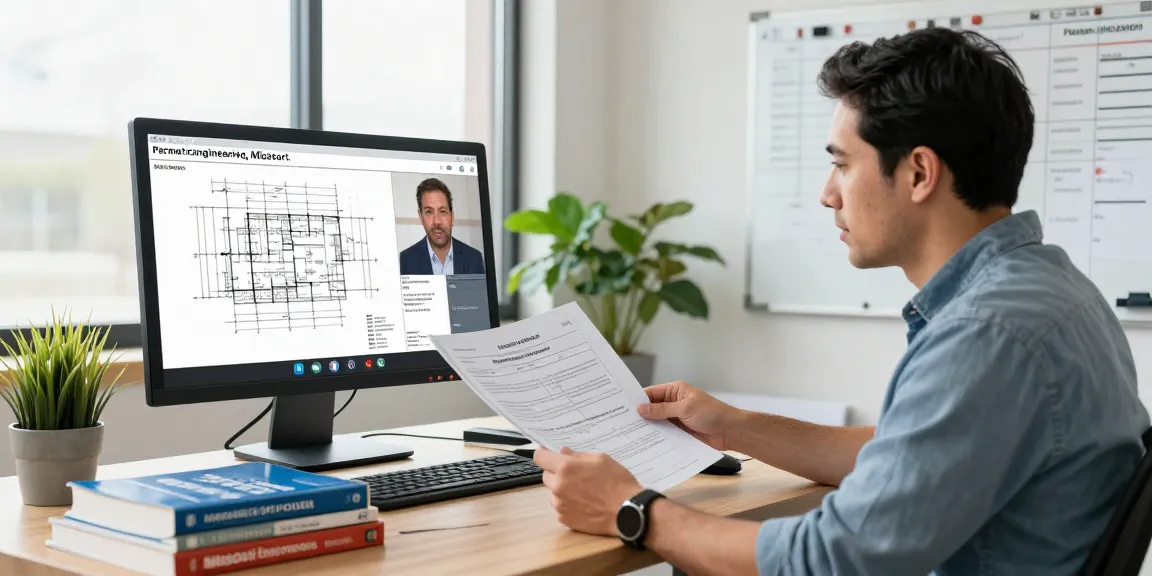
Permit engineering involves the preparation and submission of documents and plans needed to obtain construction permits. This process requires a thorough understanding of engineering principles, local building codes, environmental regulations, and zoning laws. A licensed professional engineer (PE) typically oversees this process, ensuring that all designs and plans meet the required standards. Permit engineers review project specifications, conduct analyses, and provide the necessary documentation to facilitate the approval process.
Importance of Permits for Construction Projects
Securing the appropriate permits is crucial for a variety of reasons. First, permits ensure that construction projects comply with safety regulations and building codes, which protect public welfare and the environment. Second, they help identify potential risks, enabling engineers and developers to address these concerns before construction begins. Lastly, obtaining the required permits can prevent costly delays and legal issues that may arise from non-compliance.
Key Statutes Governing Engineering Practices
In Missouri, several statutes govern engineering practices and the permitting process. Understanding these laws is vital for both engineers and clients. Relevant statutes include the Missouri Professional Engineer Act, which outlines the licensing requirements for engineers, as well as legislation related to land use and environmental protection. Familiarity with these statutes helps ensure that engineering practices remain compliant with state standards and regulations.
Common Challenges in Obtaining Engineering Permits
While the importance of permits cannot be overstated, the process of obtaining them is often fraught with challenges. Understanding these potential pitfalls can help streamline the permitting process for all stakeholders involved.
Navigating Regulatory Compliance
One of the most significant challenges in permit engineering is navigating the myriad of regulatory requirements. Different projects may fall under various jurisdictional authorities, each with its own set of rules. This complexity can lead to confusion and misinterpretation of the requirements, which in turn can delay project timelines.
Addressing Permit Application Delays
Delays in permit approvals are not uncommon, often resulting from incomplete applications or the need for additional information. Engineers must take care to prepare thorough applications, but even then, local government processes can slow down approvals. Staying informed of timelines and maintaining open communication with local authorities can help mitigate these delays.
Understanding Local Government Requirements
Each municipality in Missouri may have specific requirements pertaining to construction permits. Familiarizing oneself with local codes, ordinances, and zoning laws is critical for avoiding complications during the permitting process. Engaging with local authorities early in the project can yield valuable insights into what documentation and approvals are necessary.
Best Practices for Efficient Permit Engineering
To enhance the efficiency of the permit engineering process, several best practices can be adopted by engineers and clients alike.
Document Preparation and Submission Strategies
Thorough document preparation is vital. This includes creating detailed plans that clearly outline project specifications while adhering to local codes and regulations. When submitting applications, it is advisable to review all documents for completeness and accuracy to avoid unnecessary delays.
Working with Local Authorities Effectively
Establishing a strong working relationship with local officials can expedite the permitting process. Regular communication and addressing any concerns proactively can foster goodwill and facilitate quicker approvals. Understanding the preferences and processes of local authorities can also provide strategic advantages during a project.
Leveraging Technology for Permit Management
Modern technology offers various tools for managing permit applications and tracking their progress. Utilizing project management software, digital application platforms, and even communication tools can greatly enhance efficiency and transparency throughout the permitting phase.
Real-World Examples of Successful Permit Engineering
Examining case studies allows stakeholders to learn from past successes and failures in permit engineering. These real-world examples provide insight into strategies that worked well, as well as cautionary tales of what to avoid.
Case Studies of Recent Projects in Missouri
In Missouri, several projects have exemplified effective permit engineering. For instance, a recent commercial development in St. Louis navigated the permitting process by engaging local stakeholders early and performing thorough site assessments. This proactive approach led to gaining necessary permits swiftly and without complications.
Lessons Learned from Permit Failures
Conversely, there are notable instances where permit applications were delayed or denied due to insufficient documentation or miscommunication with local authorities. One such case involved a residential project where failure to adequately address zoning restrictions led to significant delays and additional costs. These lessons underscore the importance of thorough preparation and understanding local regulations.
Creative Solutions in Complex Engineering Permits
In some cases, innovative engineering solutions have been utilized to obtain permits for complex projects. For example, an infrastructure project in Kansas City employed the use of advanced modeling software to demonstrate compliance with environmental regulations, which significantly expedited the approval process.
The Future of Permit Engineering in 2026
Looking ahead, permit engineering is poised for transformation, driven by emerging trends and technological innovations. Understanding these trends will be essential for engineers and project managers navigating the future landscape.
Emerging Trends in Engineering Regulations
As sustainability becomes a priority, regulations will likely evolve to emphasize environmentally friendly practices. Engineers must stay abreast of these changes to ensure compliance and align projects with future expectations.
Technological Innovations in Permit Processing
Advancements in technology are set to revolutionize how permits are processed. The integration of artificial intelligence and machine learning can enable faster review times and improved accuracy in applications, streamlining the overall process.
Preparing for Changes in State Legislation
As state legislatures consider new laws and amendments to existing regulations, engineers and developers must remain vigilant and adaptable. Keeping updated on legislative changes and preparing for their implications will be essential for successful project execution in the coming years.
What are the requirements for a permit in Missouri?
The requirements for obtaining a permit vary based on the type of project and its location. Generally, a completed application, detailed plans, proof of ownership, and any required environmental assessments are necessary. Additionally, certain projects may require public hearings or additional approvals.
How long does it take to get an engineering permit in Missouri?
Permit processing times can vary widely depending on the complexity of the project and the specific local government’s workload. Generally, it can take anywhere from a few weeks to several months to receive an engineering permit.
Can I appeal a permit denial in Missouri?
Yes, if a permit application is denied, applicants may have the right to appeal the decision. The appeal process typically involves submitting a request for a hearing or review to the relevant governing body, along with any necessary supporting documentation.
What documents are needed for an engineering permit application?
Essential documents for an engineering permit application commonly include detailed site plans, engineering reports, environmental reviews, and a completed application form. Additional documents may be required depending on the project scope and location.
How can I track the status of my permit application?
Most local government agencies provide online portals to track the status of permit applications. Engaging with the relevant department via these platforms allows applicants to stay informed about any updates or additional requirements.